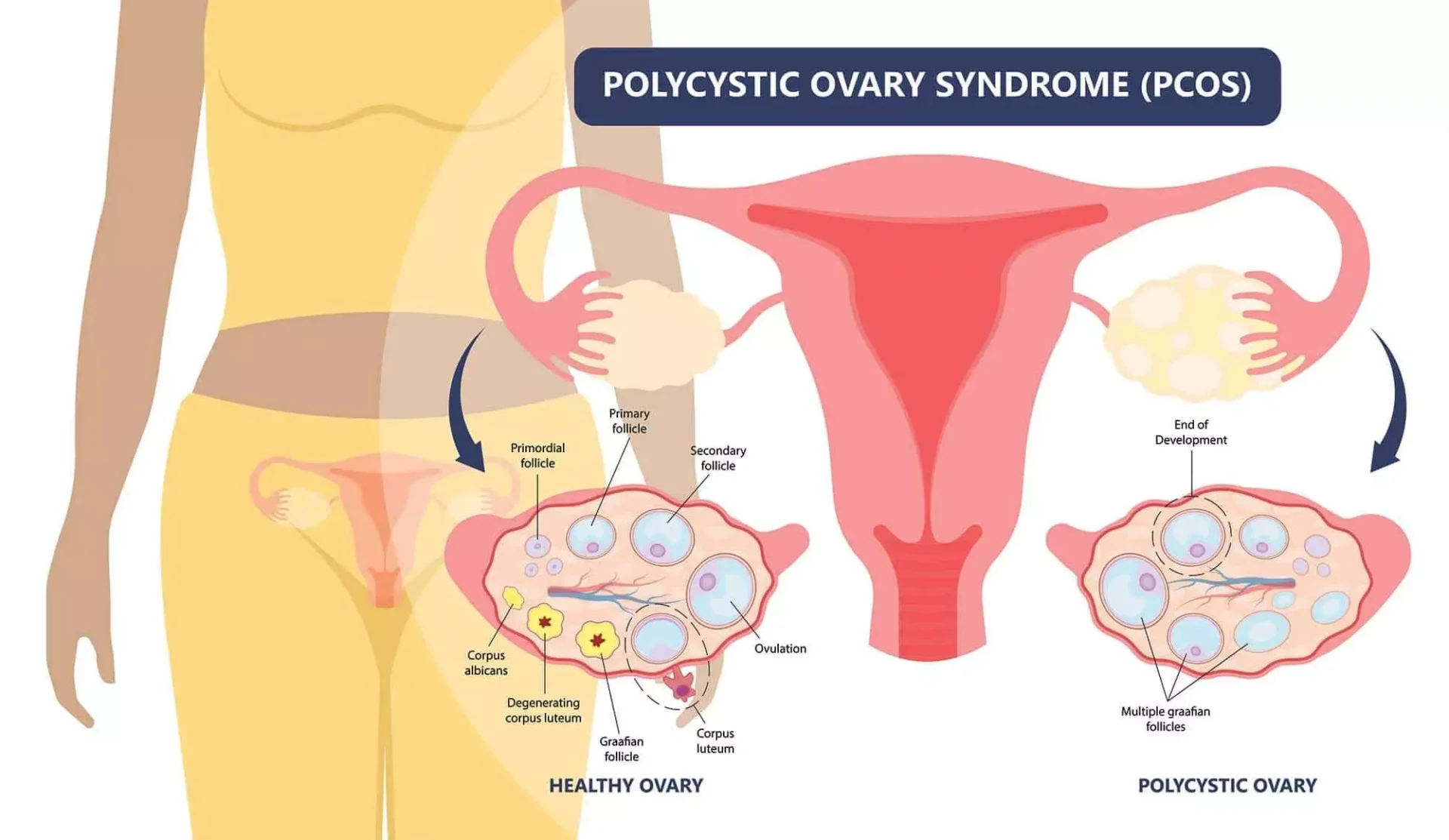
Vitamin D deficiency is significantly associated with polycystic ovary syndrome (PCOS) and may play a role in its development by worsening metabolic dysfunction. Mendelian randomization (MR) findings suggest a potential causal relationship between low vitamin D levels and PCOS. These results highlight the need for further studies to determine whether vitamin D supplementation can improve clinical outcomes in women with PCOS.
This study investigated the association between vitamin D deficiency and polycystic ovary syndrome (PCOS), focusing on metabolic and endocrine parameters. A retrospective analysis with Mendelian randomization (MR) was conducted using clinical data from patients diagnosed with PCOS at Shanxi Provincial People’s Hospital from 2019 to 2025. Variables included serum vitamin D levels, anthropometric indices, hormone profiles, and inflammatory markers. Multiple regression models were applied to control for confounders. LASSO logistic regression was used for feature selection and predictive modeling, with model performance assessed using the area under the receiver operating characteristic curve (AUC), sensitivity, and specificity. A nomogram based on logistic regression was constructed and evaluated using ROC-derived AUC values to determine classification accuracy and translational potential.
Results: Patients with PCOS exhibited higher rates of vitamin D deficiency or insufficiency compared with healthy controls. Vitamin D deficiency was associated with weight gain, insulin resistance, and chronic inflammation. Vitamin D may reduce testosterone levels, suppress interleukin-6, and influence hepatic sex hormone-binding globulin (SHBG) synthesis, thereby affecting PCOS development. MR analysis further suggested that vitamin D deficiency may worsen PCOS through insulin resistance. Body mass index and testosterone levels were positively associated with PCOS, whereas SHBG was inversely related. The nomogram derived from multivariate modeling demonstrated high predictive accuracy, reliability, and generalizability.
Vitamin D deficiency is significantly associated with PCOS and may contribute to its pathogenesis by exacerbating metabolic dysfunction. MR findings support potential causality. Further studies should assess whether vitamin D supplementation improves clinical outcomes in PCOS.
Reference:
Xue, T., Wang, S., Zhu, X., Luo, J., Zhu, R., Li, H., Cui, X., Ju, R., Zhang, P., & Jing, X. (2026). Vitamin D deficiency in polycystic ovary syndrome: A retrospective study integrating Mendelian randomisation. Clinical and Experimental Reproductive Medicine. Advance online publication. https://doi.org/10.5653/cerm.2025.08543
Keywords:
Vitamin D, Deficiency, Linked, Polycystic Ovary Syndrome, Metabolic Dysfunction, Study, Body mass index, Metabolic index, Polycystic ovary syndrome, Vitamin D deficiency, Xue, T., Wang, S., Zhu, X., Luo, J., Zhu, R., Li, H., Cui, X., Ju, R., Zhang, P., & Jing, X.
