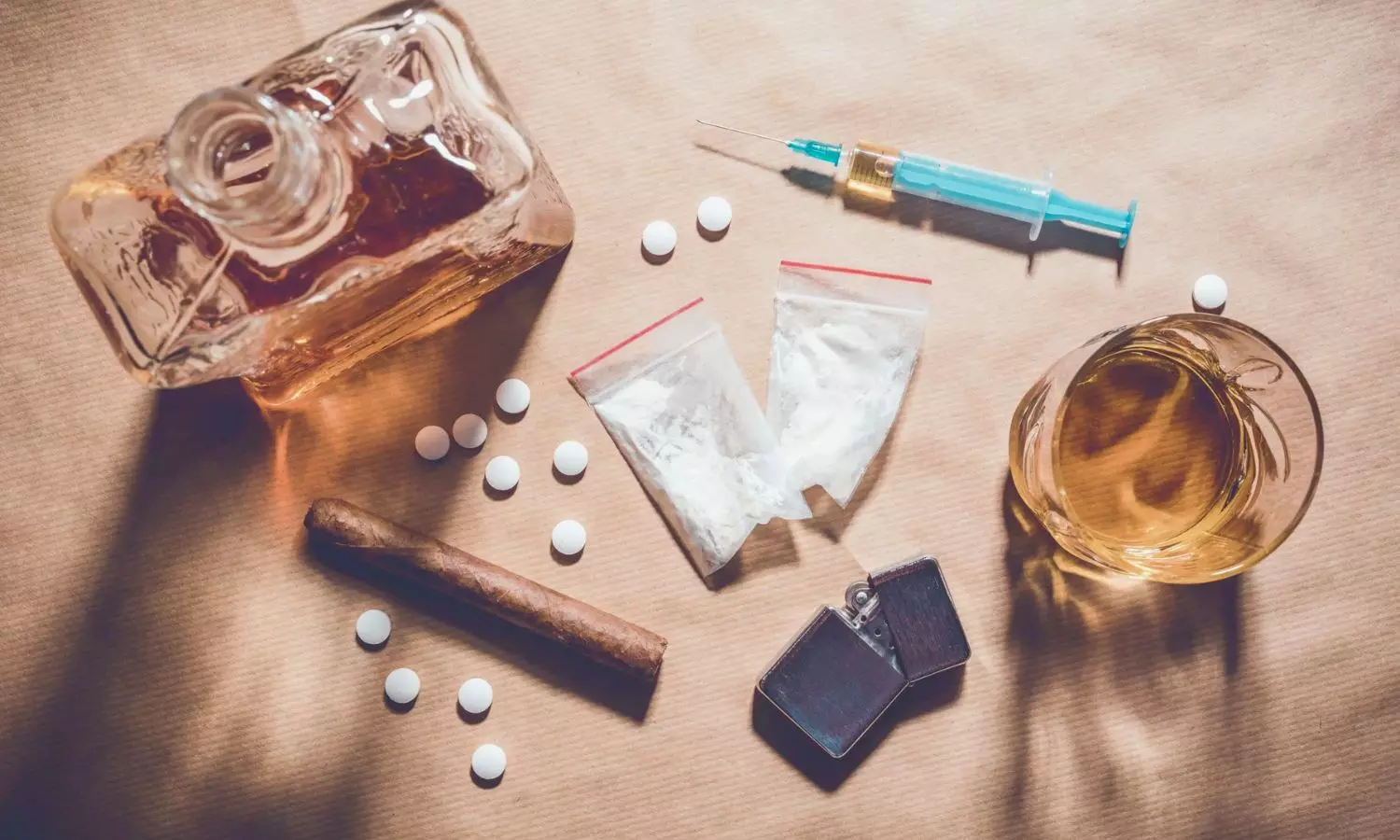
A recent nationwide study published in The National Medical Journal of India reveals that a significant portion (10.3% in the past year) of school-going adolescents in India engage in psychoactive substance use, primarily for occasional purposes. The findings highlight a growing need for early intervention and school-based prevention programs.
Adolescence is characterized by rapid physical, cognitive, and social transformations with increased risky behaviors, yet recent data on substance use among school students in the Indian context remains scarce. Household surveys often suffer from under-reporting due to a lack of privacy, necessitating school-based assessments to capture more accurate prevalence rates. Led by Dr. Anju Dhawan from the National Drug Dependence Treatment Centre at the All India Institute of Medical Sciences (AIIMS), New Delhi, the study aimed to evaluate the extent, patterns, and associated risk factors of substance use among students across diverse urban and rural settings.
The cross-sectional survey was conducted between May 2018 and June 2019 across 10 metro and non-metro cities, including Delhi, Mumbai, and Bengaluru. Researchers collected data from 5,920 students in grades VIII, IX, and XI/XII from 30 schools, representing urban-government, urban-private, and rural institutions. The study utilized a self-administered, semi-structured questionnaire and the Strengths and Difficulties Questionnaire (SDQ) to assess psychological attributes and behavioral problems. Statistical analysis included descriptive statistics and independent sample t-tests to compare demographic characteristics and substance use rates.
Key Findings
Lifetime substance use was reported by 15.1% of students, while past-year and past-month use stood at 10.3% and 7.2%, respectively.
Tobacco (4%) and alcohol (3.8%) were the most prevalent substances used in the past year, followed by opioids (2.8%) and cannabis (2%).
The average age of initiation was 12.9 years, with inhalants showing the lowest initiation age at 11.3 years.
Substance use was significantly higher among boys compared to girls and increased with higher school grades.
Previous-year users exhibited significantly higher mean SDQ total difficulty scores (15.0) compared to non-users (13.4), particularly in conduct, hyperactivity, and emotional problem domains.
Peer and family use were strong predictors, with users reporting significantly higher substance use among their family members and associates.
Ultimately, the data indicates that this issue is a significant concern requiring targeted public health strategies. Clinically, the findings suggest that prevention efforts should begin as early as primary school, targeting ages 12 and below, as delayed initiation decreases the likelihood of future disorders.
The author emphasizes that school settings offer a unique platform for effective universal and targeted prevention programs, such as drug refusal skills and psychological support. The study suggests that while 95% of students acknowledge the harm of drugs, occasional use remains a reality that requires a shift from simple “Just say no to drugs” campaigns to comprehensive mental health care and early screening.
Reference
Dhawan A, Chatterjee B, Bhargava R, Chopra A, Mandal P, Rao R, et al. Substance use among school-going adolescents in India: Results from a nationwide survey. Natl Med J India 2025; 38: 332–8. DOI: 10.25259/NMJI_824_2022
