Severe retinopathy of prematurity (ROP) remains a leading cause of visual impairment in childhood despite advances in neonatal care, and new evidence indicates that supplementation with arachidonic acid and docosahexaenoic acid can decrease the risk of severe ROP by almost 50% independent of traditional clinical risk factors. These results, from a secondary analysis of the Mega Donna Mega randomized clinical trial published in JAMA Ophthalmology, highlight the increasing role of nutritional interventions in improving outcomes for extremely preterm infants. The study was conducted by Pia Lundgren and colleagues.
Retinopathy of prematurity is defined by the abnormal growth of retinal blood vessels after premature birth. In very preterm babies, environmental factors such as changes in oxygen levels, inflammation, and metabolic disturbances can interfere with the normal process of angiogenesis. Mild cases of ROP will spontaneously resolve without treatment, but severe ROP, which is stage 3 or worse or requires treatment, can result in retinal detachment, blindness, or severe visual impairment. Preventive measures that target the early stages of life are a prominent area of current research in neonatology.
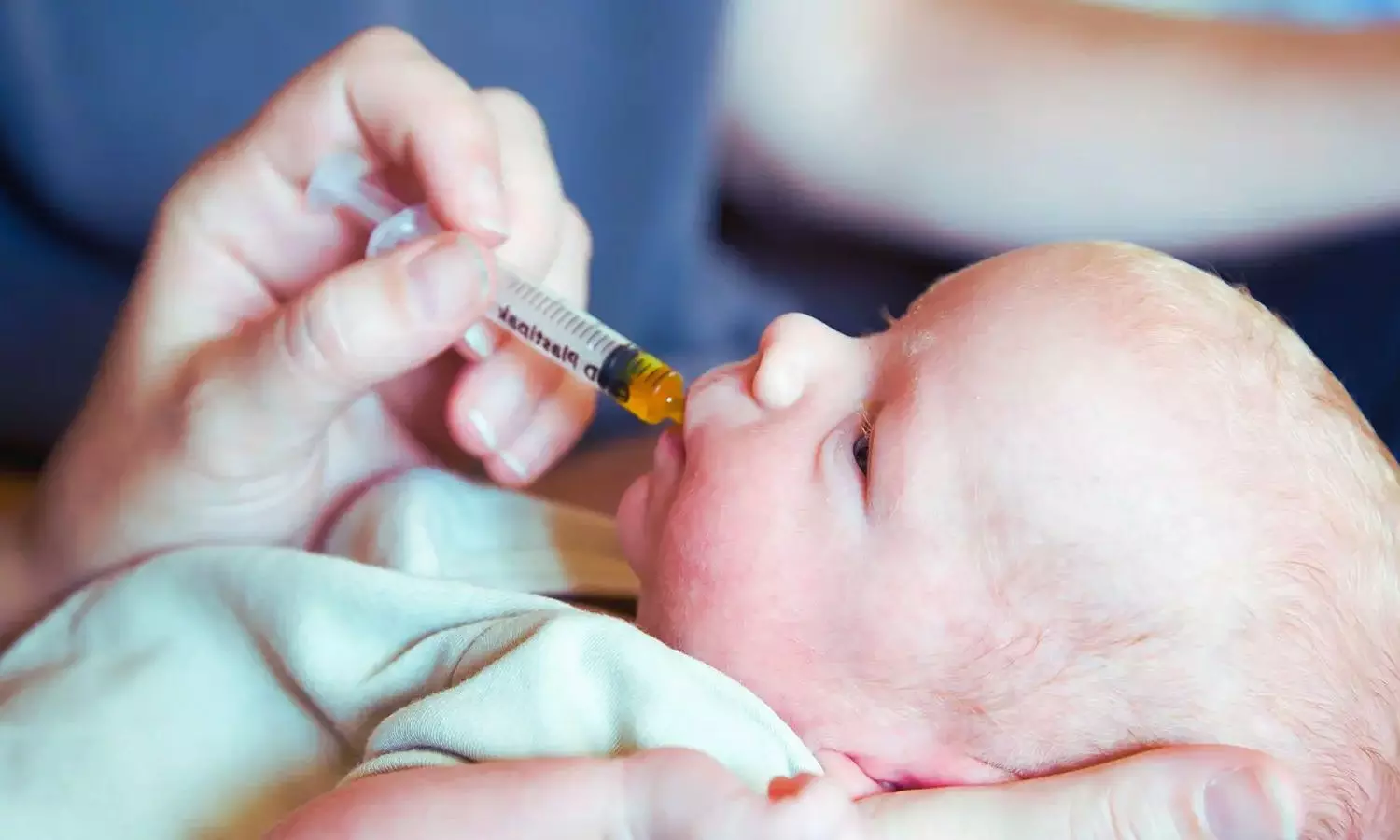
The Mega Donna Mega trial was a randomized clinical trial performed in Sweden, including infants born before 28 weeks of gestation from December 2016 to August 2019. Infants in the treatment group received enteral supplementation with arachidonic acid 100 mg/kg/day and docosahexaenoic acid 50 mg/kg/day, initiated shortly after birth and continued until term age, in addition to standard neonatal care. The original trial found a 50% reduction in severe ROP, and additional analyses were undertaken to determine whether this outcome differed according to clinical risk group.
Key findings
This secondary analysis was conducted on 177 extremely preterm infants. Severe ROP was considered as stage 3 or higher disease or ROP requiring treatment.
Severe retinopathy of prematurity occurred in:
37% of infants receiving conventional treatment
19% of infants receiving arachidonic acid and docosahexaenoic acid supplementation
The strongest associations were found for:
Prolonged parenteral nutrition ≥14 days
Hyperglycemia in the first 4 weeks of life
Thrombocytopenia
Patent ductus arteriosus
Necrotizing enterocolitis
Previous follow-up from the Mega Donna Mega trial showed that the benefits of supplementation extended beyond the prevention of disease.
A greater proportion of supplemented infants had visual acuity of at least 20/62 at 2.5 years of age, indicating important improvements in visual development.
Severe retinopathy of prematurity continues to be a major cause of lifelong visual impairment in extremely preterm infants. This secondary analysis of the Mega Donna Mega randomized clinical trial offers compelling evidence that supplementation with arachidonic acid and docosahexaenoic acid significantly decreases the risk of severe ROP by almost half, independent of traditional clinical risk factors. These findings underscore the importance of early nutritional factors in the development of the retina and suggest a promising preventive strategy to decrease vision impairment in this high-risk group.
Reference:
Lundgren P, Nilsson S, Pivodic A, Nilsson AK, Smith LEH, Hellström A. Fatty Acid Supplementation and Retinopathy of Prematurity: Secondary Analysis of a Randomized Clinical Trial. JAMA Ophthalmol. Published online January 29, 2026. doi:10.1001/jamaophthalmol.2025.5994
