A comprehensive review published in Food Science & Nutrition examines the growing evidence on camel milk as a functional food with potential therapeutic benefits. Analyzing studies from 2000 to 2025, researchers highlight its unique nutritional profile, including insulin-like proteins, bioactive peptides, antibodies, and exosomes that may contribute to metabolic and immune health.
Traditionally used in regions of Africa and Asia, camel milk has long been valued for both nutrition and medicinal purposes. Modern research now supports some of these claims, suggesting it may offer advantages over cow’s milk.
Unlike bovine milk, camel milk has a different protein composition with lower allergenic potential, making it a possible alternative for individuals with dairy sensitivities. It also shows greater stability under refrigeration, maintaining quality longer than conventional milk.
Clinical and experimental findings indicate potential benefits in Type 2 Diabetes, with one randomized trial showing significant reductions in fasting blood glucose and HbA1c after regular consumption.
Studies also report improvements in children with Autism Spectrum Disorder, possibly due to anti-inflammatory and antioxidant effects. Additionally, its high lactoferrin content may provide antimicrobial activity against pathogens such as Salmonella, while small trials suggest benefits in asthma management.
Despite these promising findings, the review emphasizes important safety concerns. Consuming raw, unpasteurized camel milk carries risks of zoonotic infections, including Brucellosis and Salmonella contamination. Pasteurization is therefore strongly recommended to ensure safety.
Overall, camel milk shows potential as a nutritionally rich, therapeutic food. However, the evidence remains heterogeneous, combining clinical, animal, and laboratory studies.
Larger, well-designed human trials are needed to confirm its efficacy, determine optimal dosages, and establish its role in modern dietary and medical practices.
REFERENCE: Bereda, G., Uthirapathy, S., & Ahamad, J. (2026). Camel Milk as a Functional Food: Nutritional Composition, Health‐Promoting Benefits, and Safety Considerations. Food Science & Nutrition, 14(3). DOI – 10.1002/fsn3.71638, https://onlinelibrary.wiley.com/doi/10.1002/fsn3.71638
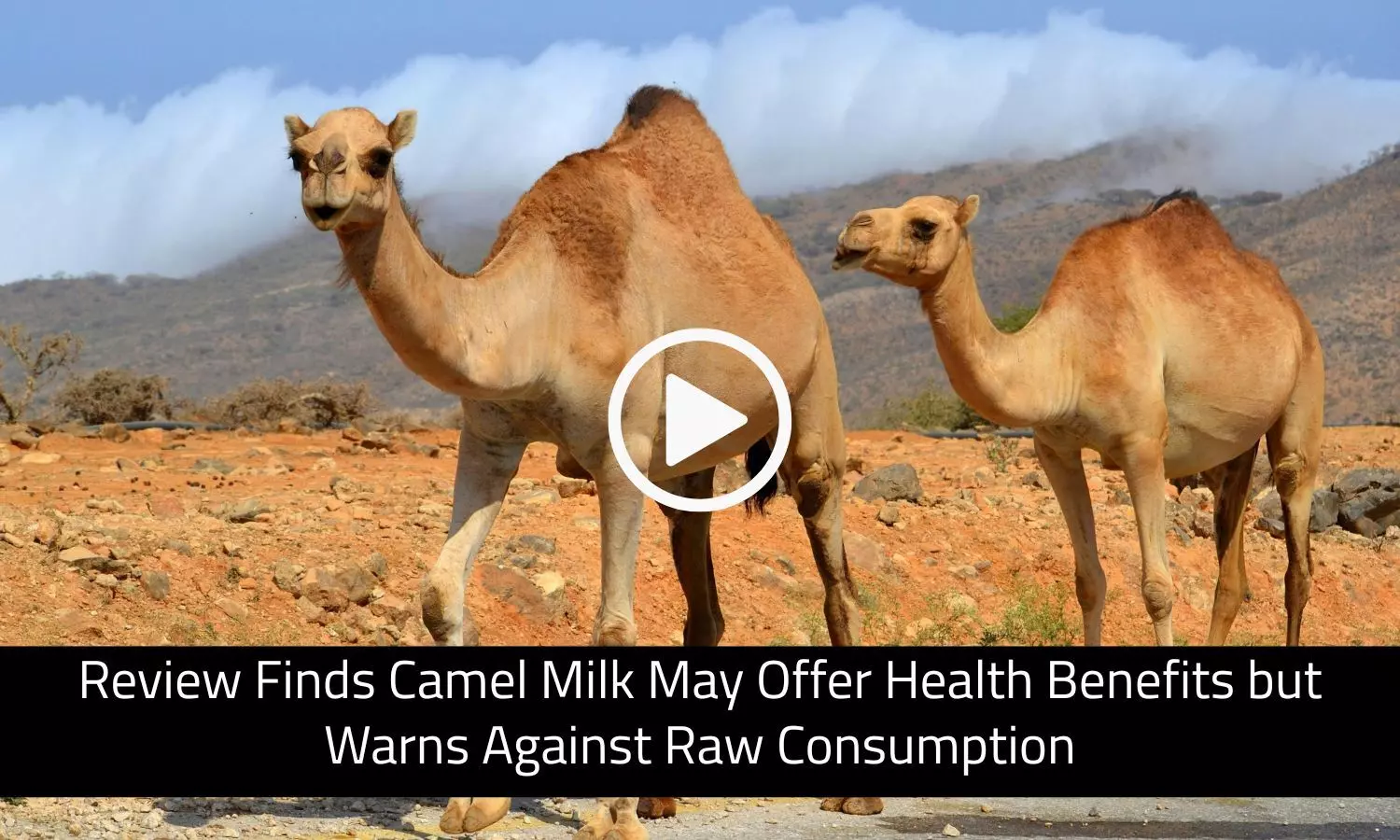
Review Finds Camel Milk May Offer Health Benefits but Warns Against Raw Consumption
