A new report from Vanderbilt Health highlights excessive sodium intake as a significant and independent risk factor for developing Heart Failure.
Published in Journal of the American College of Cardiology: Advances, the study underscores the urgent need to address dietary salt consumption, particularly in high-risk populations.
Researchers analyzed data from over 25,300 participants in the Southern Community Cohort Study, which primarily includes Black and low-income individuals from the southeastern United States. T
he findings revealed that average daily sodium intake in this group was approximately 4,200–4,269 milligrams—nearly double the recommended limit of 2,300 milligrams. This elevated intake was associated with a 15% higher risk of new-onset heart failure.
Importantly, this increased risk was found to be independent of other contributing factors such as overall diet quality, calorie intake, high blood pressure, and lipid levels.
According to lead researcher Deepak Gupta, even modest reductions in sodium consumption could significantly lower the burden of heart failure in vulnerable populations.
However, reducing salt intake is not straightforward. Structural challenges—such as limited access to fresh, healthy foods, inadequate transportation, and socioeconomic barriers—make it difficult for many communities to adopt low-sodium diets.
These findings highlight the need for comprehensive public health strategies that go beyond individual behavior change.
The study also estimates that reducing sodium intake to around 4,000 milligrams per day could decrease heart failure cases by 6.6% over a decade.
Overall, the research reinforces the critical role of dietary sodium in cardiovascular health and the importance of population-level interventions.
REFERENCE: Dupuis, L., et al. (2026). Dietary Sodium Intake and Risk of Incident Heart Failure in the Southern Community Cohort Study. JACC: Advances. DOI: 10.1016/j.jacadv.2026.102651. https://www.jacc.org/doi/10.1016/j.jacadv.2026.102651
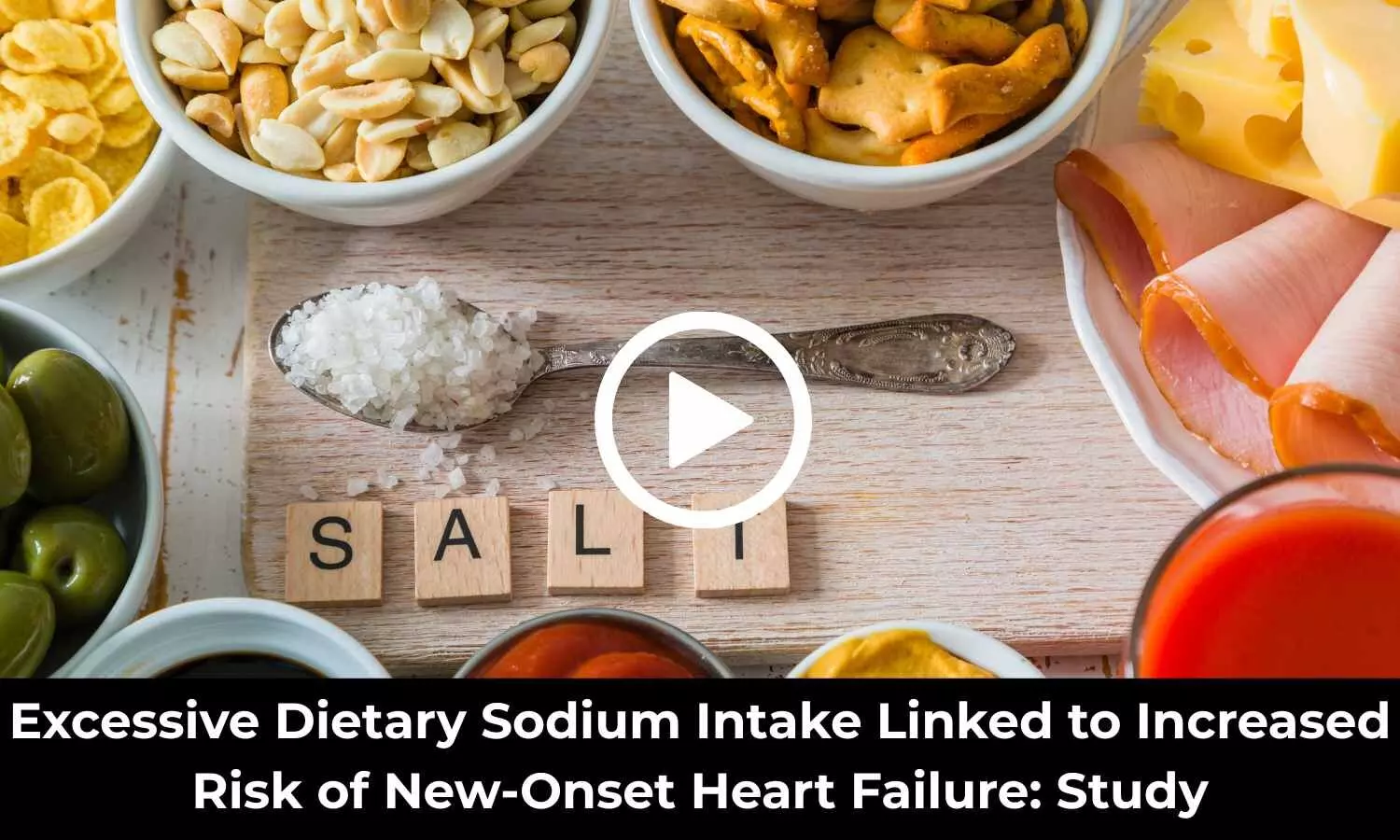
High Sodium Intake Linked to Increased Risk of Heart Failure: Study
