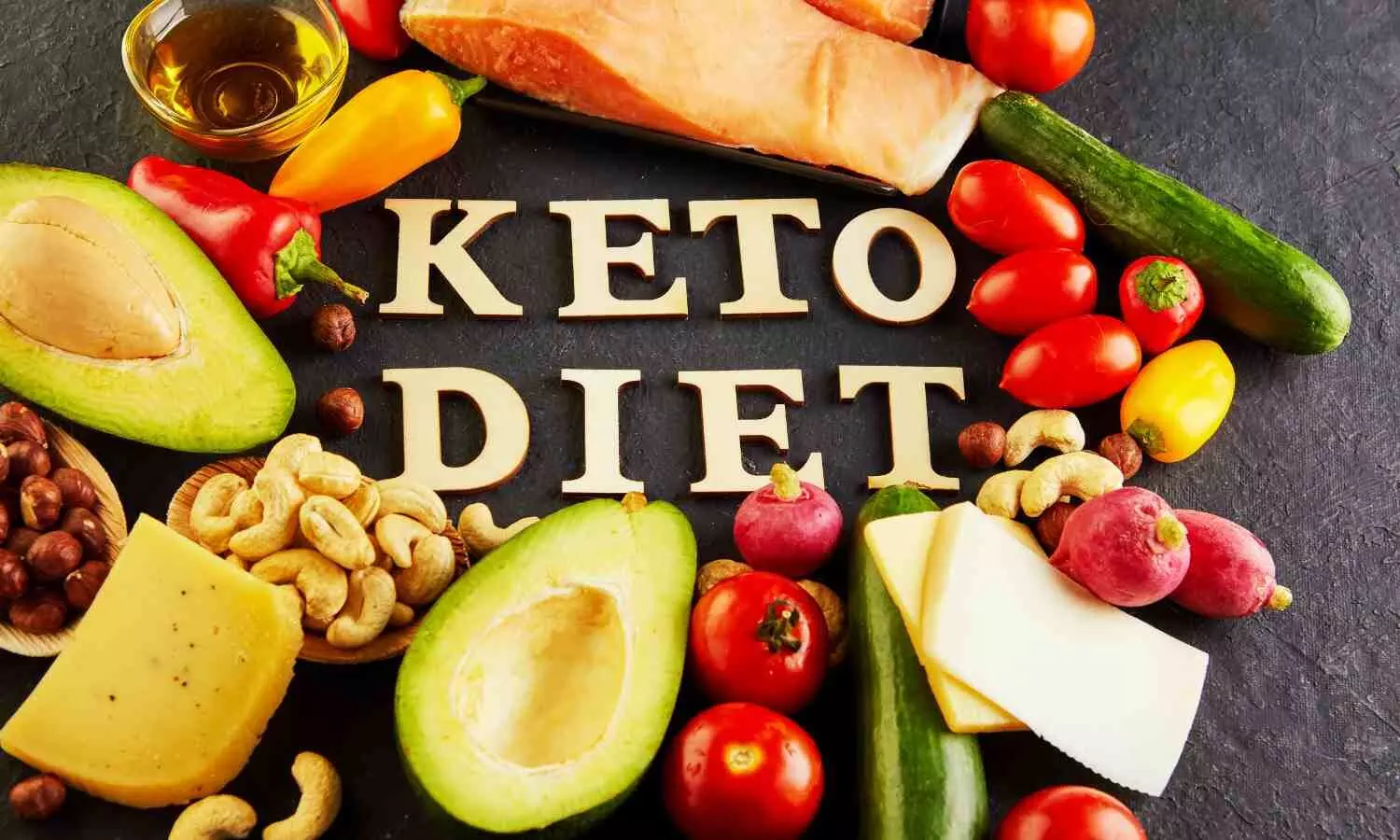
Researchers have found in a new randomized clinical trial that a ketogenic diet showed antidepressant benefits compared with a matched control diet at 6 weeks. However, the effect size was modest and not supported by secondary analyses, making the clinical relevance uncertain. The study was published in JAMA Psychiatry by Min Gao and fellow researchers.
Treatment-resistant depression is still a significant clinical problem, as many patients have not yet achieved remission after several pharmacological and psychological treatments. Dietary therapies have received growing interest as adjunctive treatments, especially ketogenic diets, which are defined by very low carbohydrate and relatively higher fat intake. Previous evidence for ketogenic diets in the treatment of depression has been primarily restricted to animal studies, theoretical models, and case reports. This randomized clinical trial was conducted to assess whether a ketogenic diet is superior to an active, health-promoting control diet in the treatment of adults with treatment-resistant depression.
This randomized clinical trial was carried out between February 22 and June 15, 2024, and included adults aged 18 to 65 years from across the UK. The inclusion criteria included participants with treatment-resistant depression and a baseline score of 15 or greater on the 9-item Patient Health Questionnaire (PHQ-9), which indicated at least moderately severe depressive symptoms. A total of 88 participants were included, with a mean (SD) age of 42.1 (13.1) years. Women made up 69% of the participants, with 61 women and 27 men taking part. Participants were randomly assigned in a 1:1 ratio to one of two dietary interventions for 6 weeks, with follow-up at 12 weeks.
Key findings
The severity of depression improved significantly in both diet groups during the 6-week treatment period.
The mean (SD) change in PHQ-9 score from baseline to week 6 was -10.5 (7.0) in the ketogenic diet group and -8.3 (5.1) in the phytochemical control diet group.
The mean difference in PHQ-9 score at week 6 was -2.18 points, with a 95% confidence interval of -4.33 to -0.03, a P value of .05, and a Cohen’s d effect size of -0.68.
At 12 weeks, the difference was -1.85 points, with a 95% confidence interval of -4.04 to 0.33 and a P value of .10, indicating no statistically significant difference at the longer-term follow-up.
There were no significant differences between groups for secondary outcomes of anxiety, anhedonia, cognitive impairment, quality of life, or functional outcomes.
No serious adverse events were reported in either group.
In adults with treatment-resistant depression, the ketogenic diet showed a small antidepressant effect compared to a well-matched control diet at 6 weeks, although the clinical relevance of this finding is unclear. Both diets led to large improvements in depressive symptoms, and there were no significant differences in secondary outcomes or at 12 weeks. These results indicate that, although dietary change may help in symptom relief, the ketogenic diet does not appear to have a clear advantage over a healthy control diet in this population.
Reference:
Gao M, Kirk M, Knight H, et al. A Ketogenic Diet for Treatment-Resistant Depression: A Randomized Clinical Trial. JAMA Psychiatry. Published online February 04, 2026. doi:10.1001/jamapsychiatry.2025.4431
